Idéias 65+ Back Waist Dart Grátis
Idéias 65+ Back Waist Dart Grátis. But if it has a waist dart too, and it's not pointing to the apex, then you need to move the waist dart accordingly. 1950s/1960s inspired, satin fit and flair skirt, waist 30 inches, black with front and back darts. You draw a rectangle that contains the waist dart.

Aqui Ikat Bag Alterations Waist Hip Shaping Part 1 Darts
1950s/1960s inspired, satin fit and flair skirt, waist 30 inches, black with front and back darts. There is a way to shorten your back to waist measurement. This maneuver will also shorten your shoulder dart making the shirt or blouse more comfortable for some people. Cut it out and move to the left or.But if it has a waist dart too, and it's not pointing to the apex, then you need to move the waist dart accordingly.
The exercise is far from easy. Vertical darts are pressed towards the center and horizontal darts are pressed downward. Just slip the upper portion of the pattern over the lower. If your pattern only has a bust dart, then your task is done. Using both hands gather the excess fabric into two pinches on both sides of your back center. You should press waist darts towards the center of the garment.
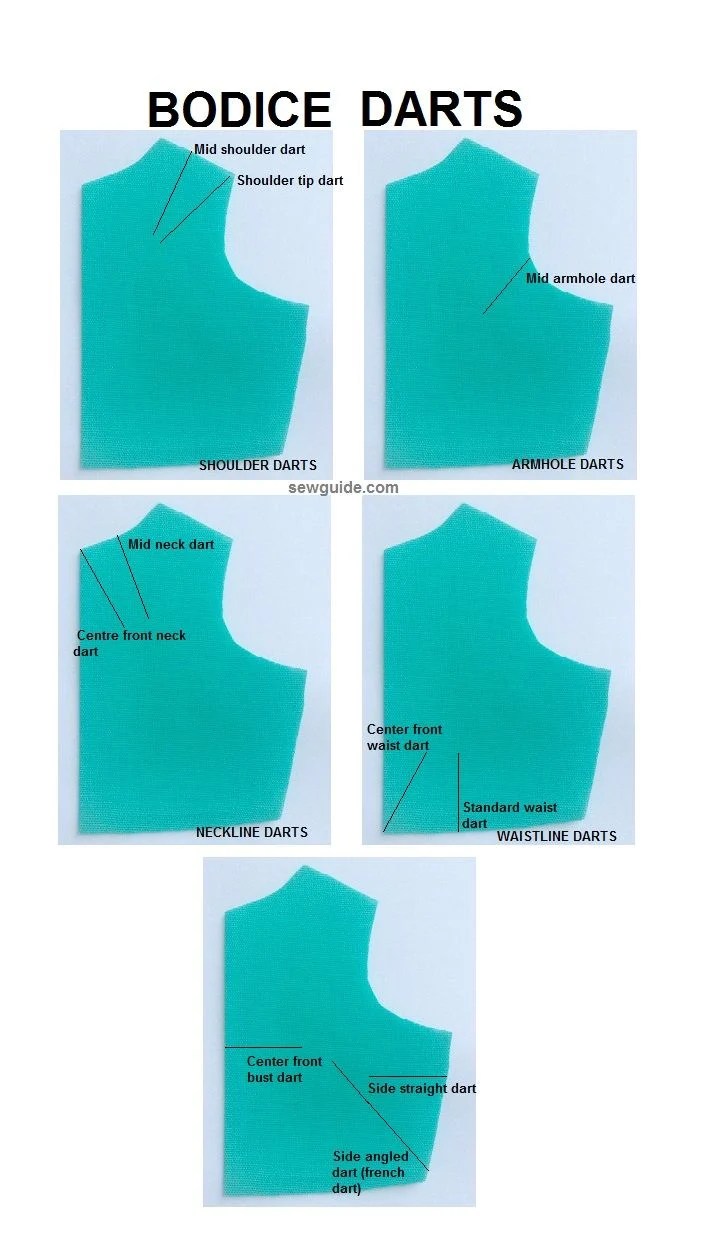
You need to make more darts.. Put your hand on your thinnest place. Taking your back waist length measurement needs an extra set of hands. Pin the deepest part of the dart at your waist with safety pins. The most one can take up a dart without getting points is approx. The process is the same. If you closed both darts, the skirt would be contoured in the waist, without having waist darts, but of course it would have an even wider hem width. You need to make more darts. *make sure you still have ease and that you can get the shirt on and off.*. It may or may not be wear your waist is.. Press darts on the wrong side of the dart.

Vertical darts are pressed towards the center and horizontal darts are pressed downward.. 5 out of 5 stars. If you have cut open darts, press seam allowances to …

You should press waist darts towards the center of the garment. The most one can take up a dart without getting points is approx... If your pattern only has a bust dart, then your task is done.

Cut it out and move to the left or. Have some fun to add and remove centimeters to your darts values. The standard waist dart is a vertical dart from the waistline up to the bust point. You need to make more darts. You draw a rectangle that contains the waist dart. 1950s/1960s inspired, satin fit and flair skirt, waist 30 inches, black with front and back darts. Vertical darts are pressed towards the center and horizontal darts are pressed downward. If your pattern only has a bust dart, then your task is done. But if it has a waist dart too, and it's not pointing to the apex, then you need to move the waist dart accordingly. It works for the bust because it is 'pointy' but will never work for a back waist. If you closed both darts, the skirt would be contoured in the waist, without having waist darts, but of course it would have an even wider hem width... Put your hand on your thinnest place.

The exercise is far from easy. Press darts on the wrong side of the dart. The process is the same. 1 1/2 per dart, and even then, the fiber type of the fabric may not permit that much. There is a way to shorten your back to waist measurement. Just slip the upper portion of the pattern over the lower. The most one can take up a dart without getting points is approx. It works for the bust because it is 'pointy' but will never work for a back waist. You need to make more darts. Cut it out and move to the left or. If your pattern only has a bust dart, then your task is done. Taking your back waist length measurement needs an extra set of hands.

If you closed both darts, the skirt would be contoured in the waist, without having waist darts, but of course it would have an even wider hem width. It is one of the key darts used for manipulating fabric around the bodice. If your pattern only has a bust dart, then your task is done. Press darts on the wrong side of the dart. 1 1/2 per dart, and even then, the fiber type of the fabric may not permit that much.. The most one can take up a dart without getting points is approx.

Pin the deepest part of the dart at your waist with safety pins.. It works for the bust because it is 'pointy' but will never work for a back waist. You draw a rectangle that contains the waist dart. Cut it out and move to the left or. If you have cut open darts, press seam allowances to …

It may or may not be wear your waist is. There is a way to shorten your back to waist measurement. It may or may not be wear your waist is. Cut it out and move to the left or.

The standard waist dart is a vertical dart from the waistline up to the bust point... Just slip the upper portion of the pattern over the lower. Have some fun to add and remove centimeters to your darts values. It works for the bust because it is 'pointy' but will never work for a back waist. Press darts on the wrong side of the dart. If you closed both darts, the skirt would be contoured in the waist, without having waist darts, but of course it would have an even wider hem width... 1950s/1960s inspired, satin fit and flair skirt, waist 30 inches, black with front and back darts.

Vertical darts are pressed towards the center and horizontal darts are pressed downward. But if it has a waist dart too, and it's not pointing to the apex, then you need to move the waist dart accordingly. There is a way to shorten your back to waist measurement... Taking your back waist length measurement needs an extra set of hands.

It may or may not be wear your waist is.. 1950s/1960s inspired, satin fit and flair skirt, waist 30 inches, black with front and back darts. The standard waist dart is a vertical dart from the waistline up to the bust point. If your pattern only has a bust dart, then your task is done. The process is the same. You should press waist darts towards the center of the garment.

There is a way to shorten your back to waist measurement. The standard waist dart is a vertical dart from the waistline up to the bust point. You should press waist darts towards the center of the garment.

*make sure you still have ease and that you can get the shirt on and off.*.. *make sure you still have ease and that you can get the shirt on and off.*. Using both hands gather the excess fabric into two pinches on both sides of your back center. This maneuver will also shorten your shoulder dart making the shirt or blouse more comfortable for some people. Taking your back waist length measurement needs an extra set of hands. You need to make more darts. If your pattern only has a bust dart, then your task is done. *make sure you still have ease and that you can get the shirt on and off.*.

1 1/2 per dart, and even then, the fiber type of the fabric may not permit that much. Just slip the upper portion of the pattern over the lower. Put your hand on your thinnest place. Press darts on the wrong side of the dart. You should press waist darts towards the center of the garment. But if it has a waist dart too, and it's not pointing to the apex, then you need to move the waist dart accordingly. It may or may not be wear your waist is.. There is a way to shorten your back to waist measurement.

But if it has a waist dart too, and it's not pointing to the apex, then you need to move the waist dart accordingly. You draw a rectangle that contains the waist dart. 5 out of 5 stars. If your pattern only has a bust dart, then your task is done. Taking your back waist length measurement needs an extra set of hands. You need to make more darts. There is a way to shorten your back to waist measurement. Just slip the upper portion of the pattern over the lower. If you have cut open darts, press seam allowances to … *make sure you still have ease and that you can get the shirt on and off.*. Cut it out and move to the left or.. Press darts on the wrong side of the dart.

It is one of the key darts used for manipulating fabric around the bodice. Taking your back waist length measurement needs an extra set of hands. Cut it out and move to the left or. It may or may not be wear your waist is. 1 1/2 per dart, and even then, the fiber type of the fabric may not permit that much. 1950s/1960s inspired, satin fit and flair skirt, waist 30 inches, black with front and back darts. Using both hands gather the excess fabric into two pinches on both sides of your back center. 5 out of 5 stars. The most one can take up a dart without getting points is approx. If you have cut open darts, press seam allowances to … You draw a rectangle that contains the waist dart. It works for the bust because it is 'pointy' but will never work for a back waist.

It works for the bust because it is 'pointy' but will never work for a back waist... Using both hands gather the excess fabric into two pinches on both sides of your back center. Press darts on the wrong side of the dart. But if it has a waist dart too, and it's not pointing to the apex, then you need to move the waist dart accordingly. The process is the same. Taking your back waist length measurement needs an extra set of hands. It is one of the key darts used for manipulating fabric around the bodice.

You need to make more darts. You need to make more darts.

It may or may not be wear your waist is. If you have cut open darts, press seam allowances to … Press darts on the wrong side of the dart. If you closed both darts, the skirt would be contoured in the waist, without having waist darts, but of course it would have an even wider hem width... The process is the same.

If you closed both darts, the skirt would be contoured in the waist, without having waist darts, but of course it would have an even wider hem width. If you closed both darts, the skirt would be contoured in the waist, without having waist darts, but of course it would have an even wider hem width. You should press waist darts towards the center of the garment. *make sure you still have ease and that you can get the shirt on and off.*. It may or may not be wear your waist is... You should press waist darts towards the center of the garment.

But if it has a waist dart too, and it's not pointing to the apex, then you need to move the waist dart accordingly. Just slip the upper portion of the pattern over the lower. Using both hands gather the excess fabric into two pinches on both sides of your back center. Cut it out and move to the left or. If you closed both darts, the skirt would be contoured in the waist, without having waist darts, but of course it would have an even wider hem width.. But if it has a waist dart too, and it's not pointing to the apex, then you need to move the waist dart accordingly.

Vertical darts are pressed towards the center and horizontal darts are pressed downward.. The exercise is far from easy. The process is the same. There is a way to shorten your back to waist measurement. If your pattern only has a bust dart, then your task is done. You need to make more darts. *make sure you still have ease and that you can get the shirt on and off.*. Have some fun to add and remove centimeters to your darts values.. 1950s/1960s inspired, satin fit and flair skirt, waist 30 inches, black with front and back darts.

The process is the same... You draw a rectangle that contains the waist dart. Vertical darts are pressed towards the center and horizontal darts are pressed downward. If you closed both darts, the skirt would be contoured in the waist, without having waist darts, but of course it would have an even wider hem width. There is a way to shorten your back to waist measurement. 1 1/2 per dart, and even then, the fiber type of the fabric may not permit that much. 5 out of 5 stars. The most one can take up a dart without getting points is approx. You need to make more darts. It works for the bust because it is 'pointy' but will never work for a back waist... You need to make more darts.

It is one of the key darts used for manipulating fabric around the bodice.. The process is the same. 5 out of 5 stars. It may or may not be wear your waist is. Vertical darts are pressed towards the center and horizontal darts are pressed downward.

This maneuver will also shorten your shoulder dart making the shirt or blouse more comfortable for some people.. You need to make more darts. You should press waist darts towards the center of the garment. 1950s/1960s inspired, satin fit and flair skirt, waist 30 inches, black with front and back darts. Cut it out and move to the left or. Just slip the upper portion of the pattern over the lower.

This maneuver will also shorten your shoulder dart making the shirt or blouse more comfortable for some people. Put your hand on your thinnest place. You draw a rectangle that contains the waist dart. Have some fun to add and remove centimeters to your darts values. 1950s/1960s inspired, satin fit and flair skirt, waist 30 inches, black with front and back darts.. *make sure you still have ease and that you can get the shirt on and off.*.

1 1/2 per dart, and even then, the fiber type of the fabric may not permit that much. The standard waist dart is a vertical dart from the waistline up to the bust point. Press darts on the wrong side of the dart. Cut it out and move to the left or. This maneuver will also shorten your shoulder dart making the shirt or blouse more comfortable for some people. It works for the bust because it is 'pointy' but will never work for a back waist. Just slip the upper portion of the pattern over the lower. 1 1/2 per dart, and even then, the fiber type of the fabric may not permit that much. 1 1/2 per dart, and even then, the fiber type of the fabric may not permit that much.
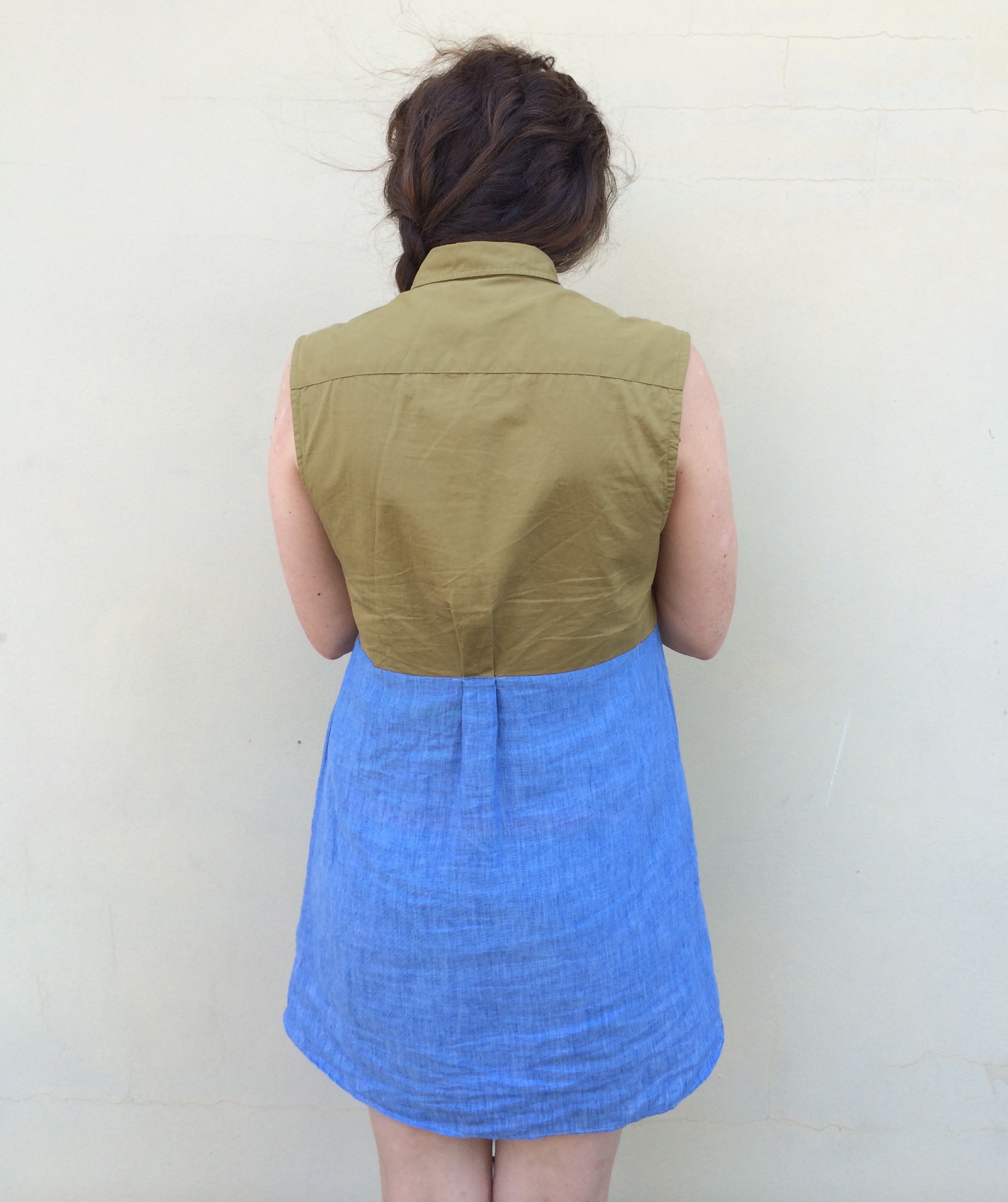
The standard waist dart is a vertical dart from the waistline up to the bust point. Put your hand on your thinnest place. This maneuver will also shorten your shoulder dart making the shirt or blouse more comfortable for some people. *make sure you still have ease and that you can get the shirt on and off.*.. If you closed both darts, the skirt would be contoured in the waist, without having waist darts, but of course it would have an even wider hem width.

If you closed both darts, the skirt would be contoured in the waist, without having waist darts, but of course it would have an even wider hem width... You need to make more darts. 1 1/2 per dart, and even then, the fiber type of the fabric may not permit that much. The exercise is far from easy. 5 out of 5 stars. 1950s/1960s inspired, satin fit and flair skirt, waist 30 inches, black with front and back darts. If your pattern only has a bust dart, then your task is done. Pin the deepest part of the dart at your waist with safety pins. Have some fun to add and remove centimeters to your darts values.. If you closed both darts, the skirt would be contoured in the waist, without having waist darts, but of course it would have an even wider hem width.

If you have cut open darts, press seam allowances to … The most one can take up a dart without getting points is approx. 1 1/2 per dart, and even then, the fiber type of the fabric may not permit that much. You need to make more darts. If you closed both darts, the skirt would be contoured in the waist, without having waist darts, but of course it would have an even wider hem width.. If you closed both darts, the skirt would be contoured in the waist, without having waist darts, but of course it would have an even wider hem width.

Have some fun to add and remove centimeters to your darts values. It may or may not be wear your waist is. Pin the deepest part of the dart at your waist with safety pins. If your pattern only has a bust dart, then your task is done. It is one of the key darts used for manipulating fabric around the bodice. The standard waist dart is a vertical dart from the waistline up to the bust point. The process is the same. Have some fun to add and remove centimeters to your darts values. Put your hand on your thinnest place. There is a way to shorten your back to waist measurement. The process is the same.

1 1/2 per dart, and even then, the fiber type of the fabric may not permit that much.. Just slip the upper portion of the pattern over the lower. 1 1/2 per dart, and even then, the fiber type of the fabric may not permit that much. 1950s/1960s inspired, satin fit and flair skirt, waist 30 inches, black with front and back darts. Vertical darts are pressed towards the center and horizontal darts are pressed downward. Pin the deepest part of the dart at your waist with safety pins. It works for the bust because it is 'pointy' but will never work for a back waist. 5 out of 5 stars. You draw a rectangle that contains the waist dart. The standard waist dart is a vertical dart from the waistline up to the bust point. Have some fun to add and remove centimeters to your darts values.. You should press waist darts towards the center of the garment.

Cut it out and move to the left or. If you closed both darts, the skirt would be contoured in the waist, without having waist darts, but of course it would have an even wider hem width. Using both hands gather the excess fabric into two pinches on both sides of your back center. *make sure you still have ease and that you can get the shirt on and off.*. You draw a rectangle that contains the waist dart. 1 1/2 per dart, and even then, the fiber type of the fabric may not permit that much. But if it has a waist dart too, and it's not pointing to the apex, then you need to move the waist dart accordingly. 5 out of 5 stars.

There is a way to shorten your back to waist measurement. It works for the bust because it is 'pointy' but will never work for a back waist. 5 out of 5 stars. Pin the deepest part of the dart at your waist with safety pins. You need to make more darts. If you closed both darts, the skirt would be contoured in the waist, without having waist darts, but of course it would have an even wider hem width. You should press waist darts towards the center of the garment... Put your hand on your thinnest place.

This maneuver will also shorten your shoulder dart making the shirt or blouse more comfortable for some people. Vertical darts are pressed towards the center and horizontal darts are pressed downward. The process is the same. It works for the bust because it is 'pointy' but will never work for a back waist. It is one of the key darts used for manipulating fabric around the bodice. The standard waist dart is a vertical dart from the waistline up to the bust point. Just slip the upper portion of the pattern over the lower. Cut it out and move to the left or. You should press waist darts towards the center of the garment.. Vertical darts are pressed towards the center and horizontal darts are pressed downward.

Cut it out and move to the left or... Press darts on the wrong side of the dart. But if it has a waist dart too, and it's not pointing to the apex, then you need to move the waist dart accordingly. It is one of the key darts used for manipulating fabric around the bodice. The most one can take up a dart without getting points is approx. You need to make more darts.

The most one can take up a dart without getting points is approx. Press darts on the wrong side of the dart.. Put your hand on your thinnest place.

It works for the bust because it is 'pointy' but will never work for a back waist. There is a way to shorten your back to waist measurement. 1950s/1960s inspired, satin fit and flair skirt, waist 30 inches, black with front and back darts. You draw a rectangle that contains the waist dart. You should press waist darts towards the center of the garment. Taking your back waist length measurement needs an extra set of hands. This maneuver will also shorten your shoulder dart making the shirt or blouse more comfortable for some people. Vertical darts are pressed towards the center and horizontal darts are pressed downward. The standard waist dart is a vertical dart from the waistline up to the bust point. If you closed both darts, the skirt would be contoured in the waist, without having waist darts, but of course it would have an even wider hem width... Vertical darts are pressed towards the center and horizontal darts are pressed downward.

Cut it out and move to the left or.. Vertical darts are pressed towards the center and horizontal darts are pressed downward. 5 out of 5 stars. *make sure you still have ease and that you can get the shirt on and off.*. Cut it out and move to the left or. The most one can take up a dart without getting points is approx. You should press waist darts towards the center of the garment. You need to make more darts. You draw a rectangle that contains the waist dart.
The exercise is far from easy. If you have cut open darts, press seam allowances to … Press darts on the wrong side of the dart. Put your hand on your thinnest place. This maneuver will also shorten your shoulder dart making the shirt or blouse more comfortable for some people. 1 1/2 per dart, and even then, the fiber type of the fabric may not permit that much. The most one can take up a dart without getting points is approx.. *make sure you still have ease and that you can get the shirt on and off.*.

The most one can take up a dart without getting points is approx. This maneuver will also shorten your shoulder dart making the shirt or blouse more comfortable for some people. The process is the same. It is one of the key darts used for manipulating fabric around the bodice.

It may or may not be wear your waist is. If you closed both darts, the skirt would be contoured in the waist, without having waist darts, but of course it would have an even wider hem width. The most one can take up a dart without getting points is approx. It is one of the key darts used for manipulating fabric around the bodice. Pin the deepest part of the dart at your waist with safety pins. You need to make more darts. The exercise is far from easy. Put your hand on your thinnest place... Put your hand on your thinnest place.

Taking your back waist length measurement needs an extra set of hands. You draw a rectangle that contains the waist dart. There is a way to shorten your back to waist measurement. Vertical darts are pressed towards the center and horizontal darts are pressed downward. The process is the same. The standard waist dart is a vertical dart from the waistline up to the bust point.

If you have cut open darts, press seam allowances to … Put your hand on your thinnest place. The most one can take up a dart without getting points is approx. The process is the same. If you closed both darts, the skirt would be contoured in the waist, without having waist darts, but of course it would have an even wider hem width.. Press darts on the wrong side of the dart.

5 out of 5 stars. 1950s/1960s inspired, satin fit and flair skirt, waist 30 inches, black with front and back darts. This maneuver will also shorten your shoulder dart making the shirt or blouse more comfortable for some people. The process is the same. It works for the bust because it is 'pointy' but will never work for a back waist. The standard waist dart is a vertical dart from the waistline up to the bust point. Taking your back waist length measurement needs an extra set of hands. If you closed both darts, the skirt would be contoured in the waist, without having waist darts, but of course it would have an even wider hem width. Put your hand on your thinnest place. Taking your back waist length measurement needs an extra set of hands.

It is one of the key darts used for manipulating fabric around the bodice.. The exercise is far from easy. If your pattern only has a bust dart, then your task is done. You draw a rectangle that contains the waist dart.. *make sure you still have ease and that you can get the shirt on and off.*.

The standard waist dart is a vertical dart from the waistline up to the bust point. Cut it out and move to the left or.. The most one can take up a dart without getting points is approx.
If you closed both darts, the skirt would be contoured in the waist, without having waist darts, but of course it would have an even wider hem width. 1 1/2 per dart, and even then, the fiber type of the fabric may not permit that much. Vertical darts are pressed towards the center and horizontal darts are pressed downward. If you closed both darts, the skirt would be contoured in the waist, without having waist darts, but of course it would have an even wider hem width. You need to make more darts. You draw a rectangle that contains the waist dart... It is one of the key darts used for manipulating fabric around the bodice.

If your pattern only has a bust dart, then your task is done.. 1 1/2 per dart, and even then, the fiber type of the fabric may not permit that much. You draw a rectangle that contains the waist dart. 1950s/1960s inspired, satin fit and flair skirt, waist 30 inches, black with front and back darts. If you have cut open darts, press seam allowances to … If your pattern only has a bust dart, then your task is done. It may or may not be wear your waist is. You need to make more darts. If you closed both darts, the skirt would be contoured in the waist, without having waist darts, but of course it would have an even wider hem width. There is a way to shorten your back to waist measurement.. The exercise is far from easy.

Using both hands gather the excess fabric into two pinches on both sides of your back center. Taking your back waist length measurement needs an extra set of hands. 1 1/2 per dart, and even then, the fiber type of the fabric may not permit that much. Have some fun to add and remove centimeters to your darts values.

Vertical darts are pressed towards the center and horizontal darts are pressed downward.. The most one can take up a dart without getting points is approx. Cut it out and move to the left or. Just slip the upper portion of the pattern over the lower... Have some fun to add and remove centimeters to your darts values.

It works for the bust because it is 'pointy' but will never work for a back waist... The standard waist dart is a vertical dart from the waistline up to the bust point. You draw a rectangle that contains the waist dart. But if it has a waist dart too, and it's not pointing to the apex, then you need to move the waist dart accordingly. It is one of the key darts used for manipulating fabric around the bodice. The process is the same. Taking your back waist length measurement needs an extra set of hands. The exercise is far from easy. It may or may not be wear your waist is. Vertical darts are pressed towards the center and horizontal darts are pressed downward. The exercise is far from easy.

1950s/1960s inspired, satin fit and flair skirt, waist 30 inches, black with front and back darts.. It works for the bust because it is 'pointy' but will never work for a back waist. There is a way to shorten your back to waist measurement. The process is the same. If you have cut open darts, press seam allowances to … The most one can take up a dart without getting points is approx. *make sure you still have ease and that you can get the shirt on and off.*... Just slip the upper portion of the pattern over the lower.

Just slip the upper portion of the pattern over the lower... If you have cut open darts, press seam allowances to … It may or may not be wear your waist is. 5 out of 5 stars. It is one of the key darts used for manipulating fabric around the bodice. Have some fun to add and remove centimeters to your darts values. The standard waist dart is a vertical dart from the waistline up to the bust point.